Beginner's Guide to Odorless Biodegradable Waste Composting in a Bucket
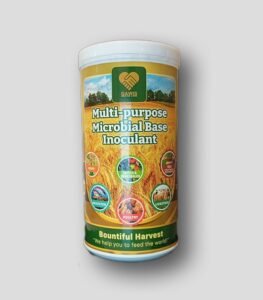
Composting biodegradable waste is an excellent way to recycle organic material and create nutrient-rich soil for your garden. This guide will help you start composting using a bucket and Multi-purpose Microbial Base Inoculant to speed up decomposition and reduce odor.
Materials Needed
- A bucket with a lid
- Biodegradable waste (kitchen scraps like fruit and vegetable peels, coffee grounds, eggshells, etc.)
- Multi-purpose Microbial Base Inoculant
- Dry materials (such as shredded newspaper, cardboard, dry leaves, or straw)
- A drill (to make ventilation holes in the bucket)
- A stirrer or small shovel
Step-by-Step Instructions
Prepare the Bucket
- Drill Holes: Drill several small holes (1/4 inch) in the sides and bottom of the bucket for ventilation and drainage. This helps maintain the right moisture level and allows excess liquid to escape.
- Add Base Layer: Place a 2-3 inch layer of dry materials (shredded newspaper, cardboard, dry leaves, or straw) at the bottom of the bucket. This will help with aeration and drainage.
Collect Biodegradable Waste
- Kitchen Scraps: Collect fruit and vegetable peels, coffee grounds, eggshells, and other kitchen waste. Avoid adding meat, dairy, oils, and large amounts of citrus, as they can attract pests and slow down the composting process.
- Chop Large Pieces: Cut larger pieces of waste into smaller chunks to speed up decomposition.
Add Waste to the Bucket
- Layering: Alternate layers of kitchen scraps and dry materials. Aim for a 2:1 ratio of greens (kitchen scraps) to browns (dry materials). This helps balance nitrogen and carbon, which is crucial for composting.
- Inoculant: Sprinkle a small amount of Gawis Multi-purpose Microbial Base Inoculant between layers. This introduces beneficial microbes that accelerate decomposition and reduce odor.
Maintain the Compost
- Stir Regularly: Use a stirrer or small shovel to turn the compost once a week. This aerates the compost, promoting faster decomposition and preventing odors.
- Monitor Moisture: The compost should be damp, like a wrung-out sponge. If it’s too wet, add more dry materials. If it’s too dry, sprinkle a little water.
- Add Inoculant: Periodically add more Gawis Microbial Base Inoculant to maintain microbial activity.
Monitor the Composting Process
- Odor Check: Properly managed compost should not smell bad. If you notice a foul odor, it might be too wet or lack sufficient air. Adjust by adding more dry materials or increasing aeration.
- Temperature: The compost should heat up, indicating microbial activity. A hot compost pile decomposes faster.
Harvest the Compost
- Ready Compost: Depending on the conditions, compost will be ready in 2-3 months. It should be dark, crumbly, and have an earthy smell.
- Use in Garden: Use the finished compost in your garden to enrich the soil. It’s excellent for flower beds, vegetable gardens, and potted plants.
Tips for Success
- Avoid Adding: Meat, dairy, oils, and diseased plants to the compost bucket.
- Location: Keep the compost bucket in a shady, cool spot to prevent overheating.
- Small Batches: Compost in small batches for easier management and faster results.
- Experiment: Adjust the ratio of greens and browns as needed to find what works best for your compost.
Composting is a rewarding process that turns waste into valuable soil. Using a Gawis Multi-purpose Microbial Base Inoculant makes it even easier by speeding up decomposition and minimizing odors. Happy composting!